Pool-deck surface drainage
Pool Trench Drains in Dallas: Deck Drain and Grate Planning Guide
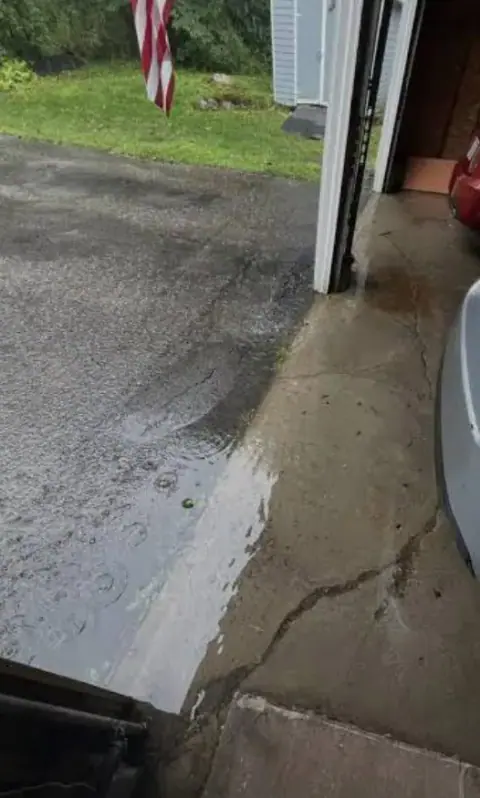
A pool trench drain intercepts deck runoff along a line, but safe placement, grate openings, deck pitch, discharge and maintenance must be planned as one system.
A pool trench drain is useful where deck water repeatedly crosses a defined line toward a door, structure, low landscape area or neighboring surface. It should follow the deck’s actual pitch, remain comfortable and stable under foot, resist the expected exposure and connect to a verified outlet that can accept the collected water.
Reviewed September 9, 2026 · Dallas–Fort Worth homeowner guide
Recognize the need
A pool trench drain works best on a repeatable hardscape flow line
A useful candidate has sheet flow crossing concrete, pavers or coping in the same direction during rain. A linear grate can intercept that water before it reaches a threshold or lower destination. If the entire deck has settled into several bowls, one short channel may not reach the true low points. If wetness appears without rain, pool plumbing, equipment or irrigation should be checked before storm drainage is added.
The search phrase pool trench drain Dallas TX often combines two different needs: a product replacement and a new source-to-outlet system. Replacing a cracked grate is different from correcting deck pitch or adding an outlet route.
Diagnosis
Separate rainfall, landscape runoff and pool-related water
Pool decks receive direct rainfall, but they may also receive roof runoff, uphill lawn flow, overflow or equipment discharge. Observe when water first appears. If it begins at a deck edge during rain, exterior runoff may be entering. If it appears around equipment during dry weather, a qualified pool professional may need to isolate that source.
A drainage contractor should not connect unknown pool water to a storm route without checking applicable rules and water-quality concerns. This guide addresses rain and exterior runoff around a pool, not pool plumbing design.
Surface detail
The grate should intercept water without becoming the new hazard
The channel must span the active flow line and sit at an elevation the deck can actually reach. The surrounding finish should not create a ridge that diverts water around the ends. Near walking areas, evaluate opening pattern, slip resistance, edge stability and barefoot comfort. Grate and channel materials should be compatible with the anticipated environment and cleaning practices.
When the deck is concrete, the installation detail may require cutting, demolition, reinforcement awareness, stable bedding and a concrete envelope. Existing cracks or movement should be documented rather than hidden by the new channel.
Complete route
A pool drain grate is not an outlet
After entering the channel, water still needs a solid route to a lower, stable discharge. A line that is flat, connected to an unknown pipe or terminated in saturated soil can keep the channel full. The outlet should not release concentrated water where it can erode soil, return to the pool area or affect another property.
Leaves, hair, mulch and landscape debris can reduce intake. Removable grates, reachable outlets and a cleaning schedule are part of the design. For a general comparison of materials and openings, read the trench drain grate guide.
Scope review
Questions to ask before approving a pool-deck drain
- What exact water source and flow line will the drain intercept?
- Does the channel extend beyond both edges of that flow?
- How will the channel be supported within the existing deck?
- What grate material and opening pattern are proposed?
- Where is the outlet, and what is its elevation?
- Who is responsible for deck restoration and pool-system protection?
- How can the channel and outlet be cleaned later?
Sources and further reading
- U.S. Access Board — Floor and Ground Surface Openings
- NDS — Pro Series Channel Drain Installation Instructions
- ACO USA — Commercial Trench Drains and Load Classes
- City of Dallas — Street and Drainage Design Manuals
- Texas 811 — Request Utility Locates Before Excavation
External sources support homeowner education and do not imply endorsement of Texas Yard Drainage. This guide is general information, not an engineering report or a property-specific design.
Continue the topic
Related drainage guides and problem pages
Homeowner FAQ
Questions this guide should answer
These answers help with early diagnosis. Actual recommendations still depend on the property.
Where should a pool trench drain be installed?
Across the verified line where runoff crosses the deck, before water reaches a door, structure or problematic low area.
Can a trench drain fix a settled pool deck?
It may collect water at a defined line, but it does not correct structural movement or several disconnected low spots. Those conditions need separate evaluation.
What grate is comfortable around a pool?
Consider narrow openings, smooth stable edges, slip resistance and a material appropriate for exposure, while confirming the system’s rating and capacity.
Can the pool drain empty into the yard?
The outlet must be checked for elevation, erosion, return flow, property impacts and applicable local requirements; a lawn is not automatically a suitable discharge point.
Why does the pool drain clog?
Small deck drains collect leaves, mulch, hair and sediment. Accessible grates and a reachable outlet make routine cleaning possible.
Need a property-specific answer?
Trace pool-deck runoff before selecting a grate.
Send rain-event photos and the property address for a Dallas–Fort Worth assessment.
Send Property Details