Problem guide
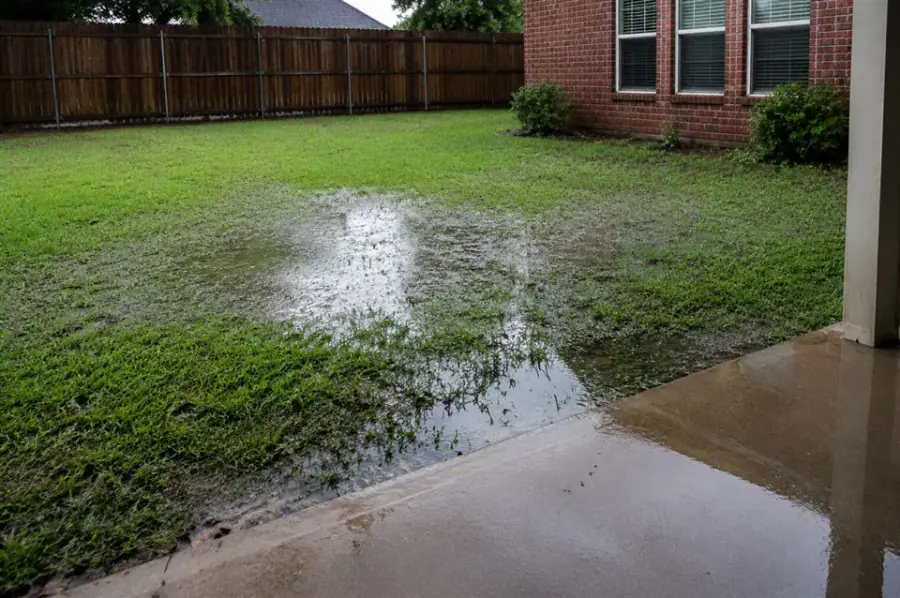
Standing Water in the Yard
Water remaining after nearby surfaces have drained usually means the yard has a low elevation, a blocked route, concentrated inflow or soil that cannot release water fast enough.
See possible causes →
Dallas–Fort Worth yard drainage
We trace the source, surface path and usable outlet before matching the property with grading, collection, solid pipe or subsurface drainage.
Find the inputRoof, surface, soil or existing system
Follow the pathElevation, low points and obstructions
Confirm the outletSafe, usable and maintainable discharge
Drainage problems
Problem pages explain plausible causes, problems the condition can cause and the solution directions worth evaluating.
Problem guide
Water remaining after nearby surfaces have drained usually means the yard has a low elevation, a blocked route, concentrated inflow or soil that cannot release water fast enough.
See possible causes →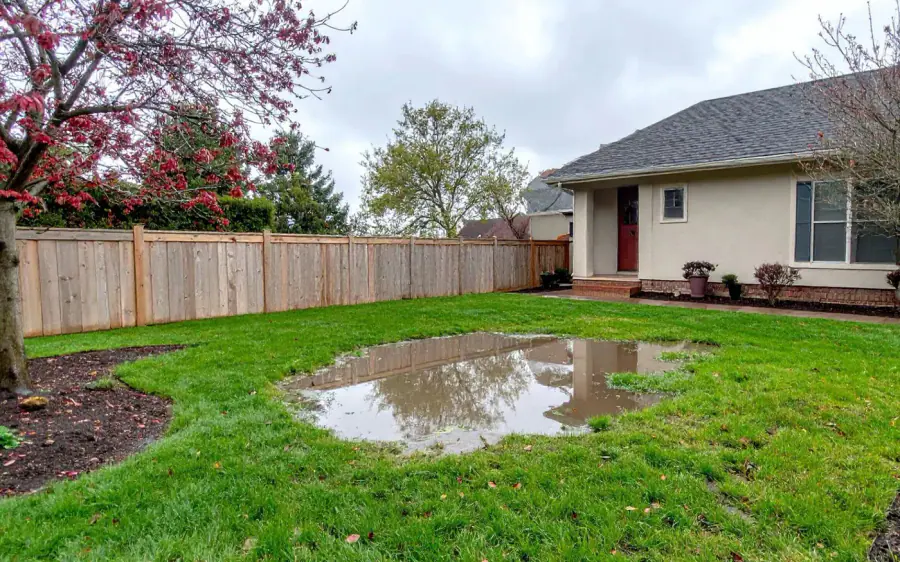
Problem guide
Fast flooding points to how much water arrives and where it comes from. Roof areas, neighboring grade and hard surfaces may be contributing more volume than the visible low spot suggests.
See possible causes →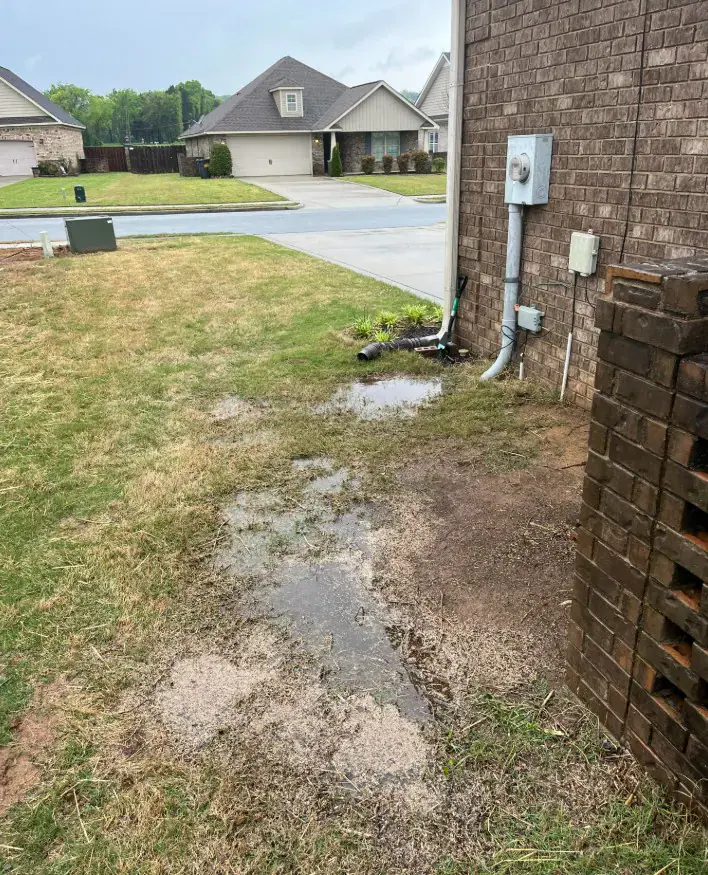
Problem guide
Soft soil without a deep puddle can indicate slow surface drainage, repeated irrigation, shaded evaporation or subsurface saturation along a corridor.
See possible causes →Services
Each service page shows its best fit, common failure pattern and when another method may be better.
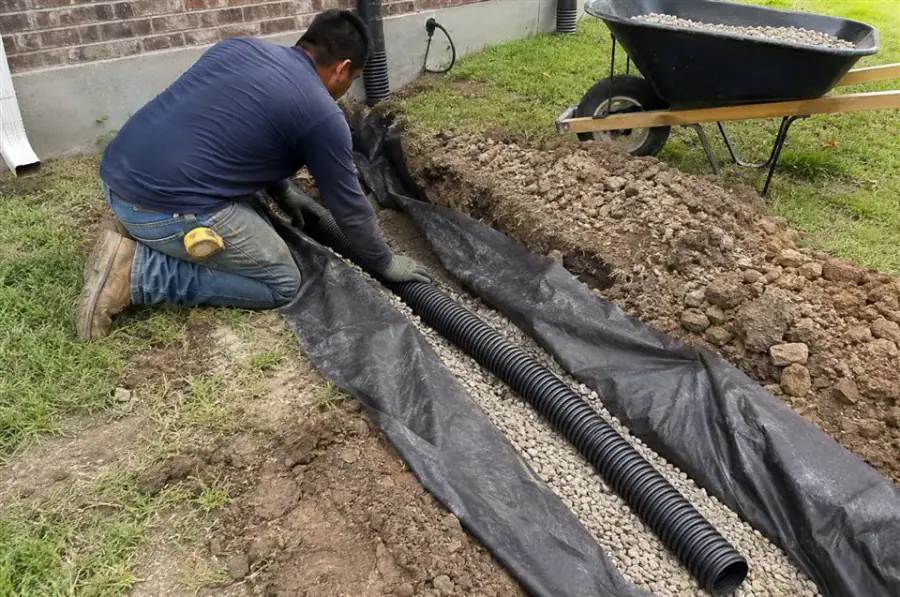
French drain installation in Dallas requires more than perforated pipe: fabric, clean aggregate, continuous fall and a verified outlet must form one working path.
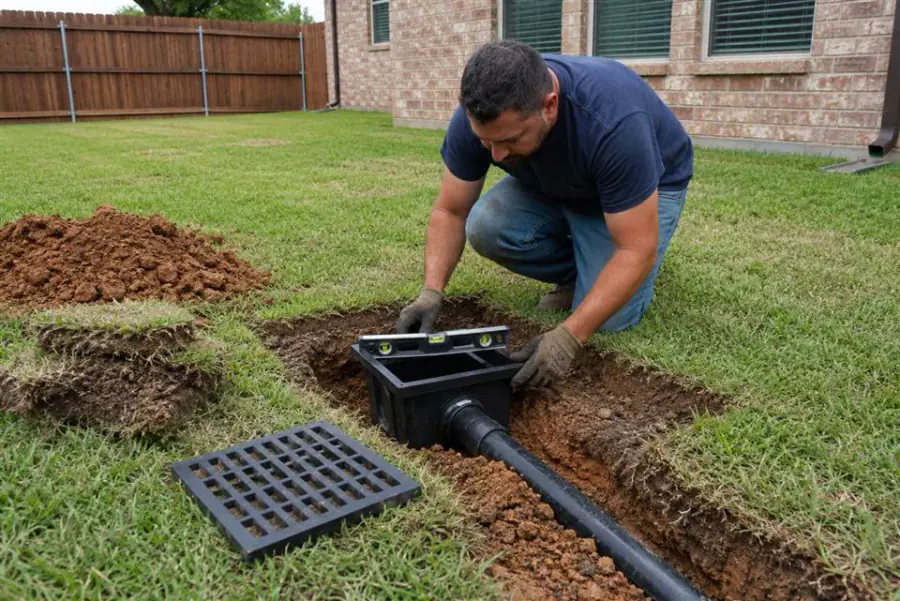
A properly located surface inlet captures runoff where it naturally concentrates, then sends it through solid pipe toward a verified outlet.
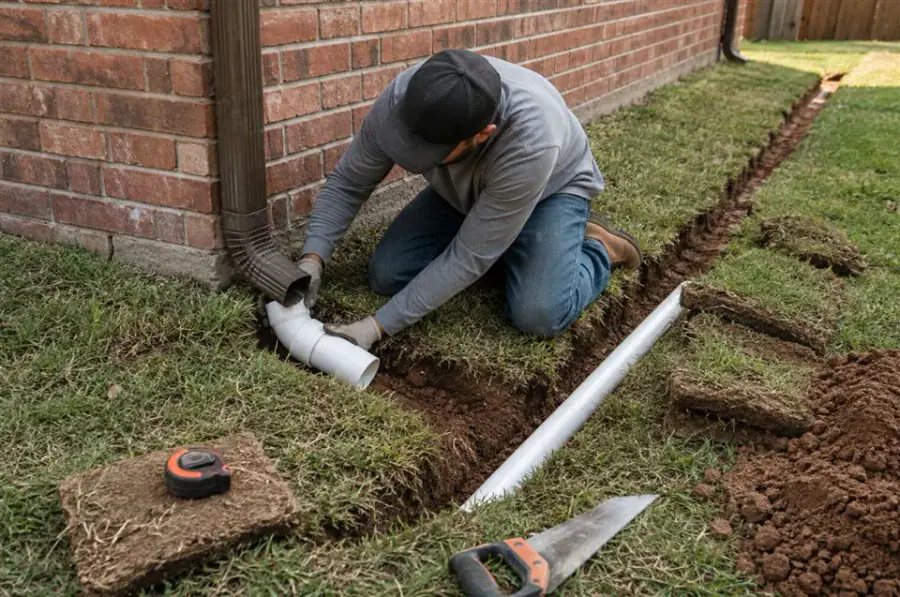
Roof water is a concentrated input. Solid conveyance pipe can carry it away from the foundation when connections, cleanouts and the discharge point remain serviceable.
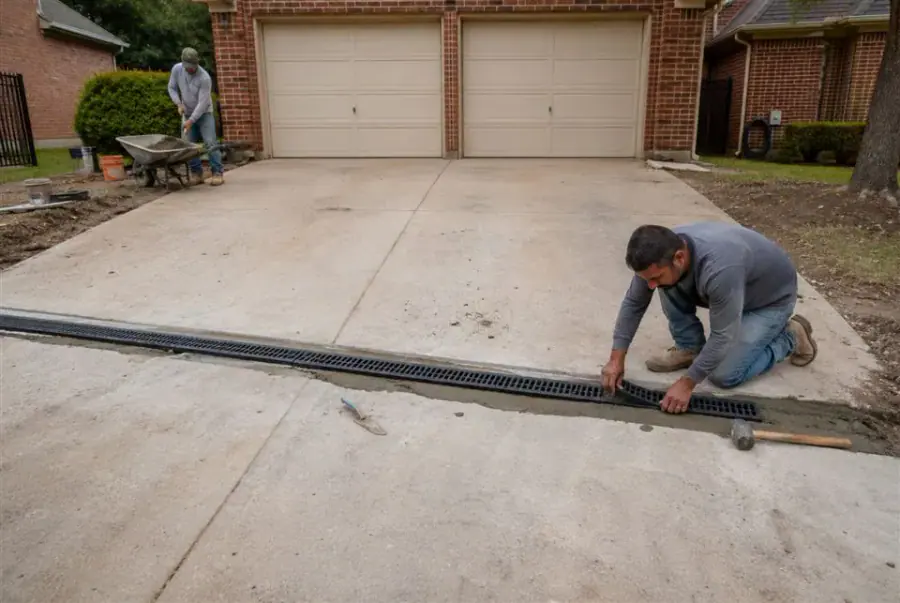
Channel drains and trench drains intercept sheet flow across Dallas driveways, pool decks, patios and thresholds, then convey it through solid pipe to a verified outlet.
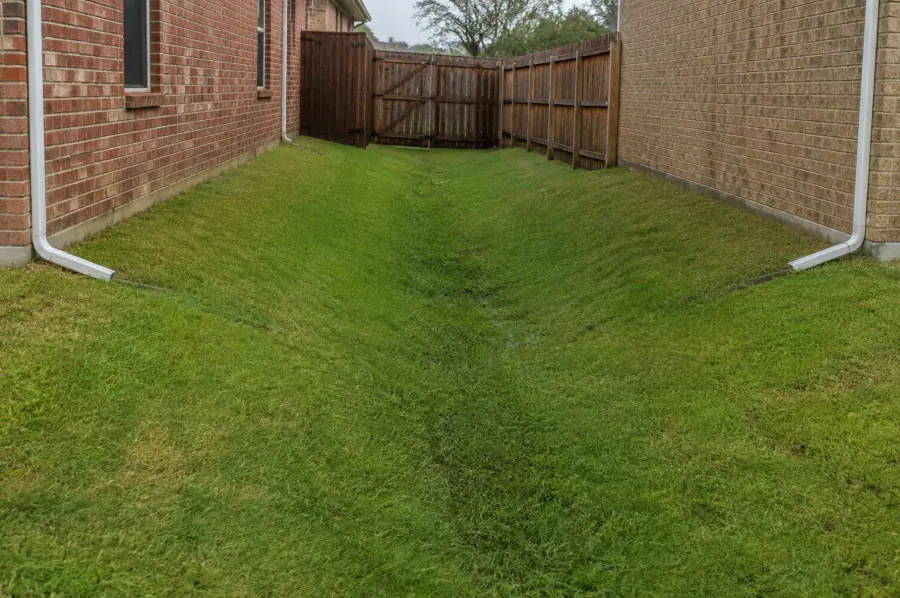
Sometimes the simplest durable solution is reshaping a shallow path so runoff moves across a stable surface instead of entering another buried pipe.
Restore a stable surface path when another buried pipe is not the best first choice.
See how grading works →How it works
The assessment explains what is happening in plain language before materials are chosen.

Gallery
View installation, collection, repair and grading examples without presenting them as completed Texas Yard Drainage projects.
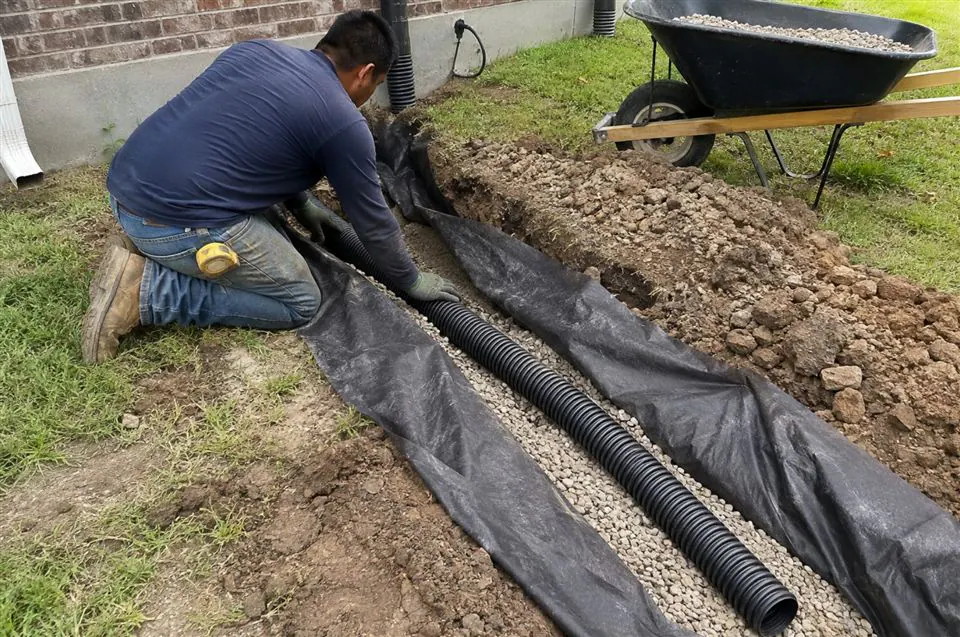
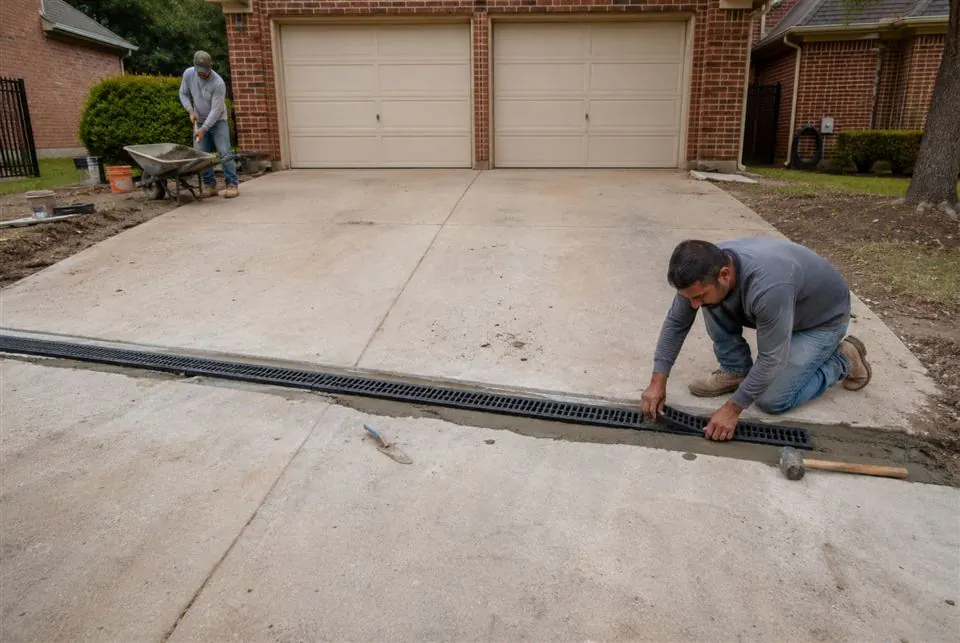
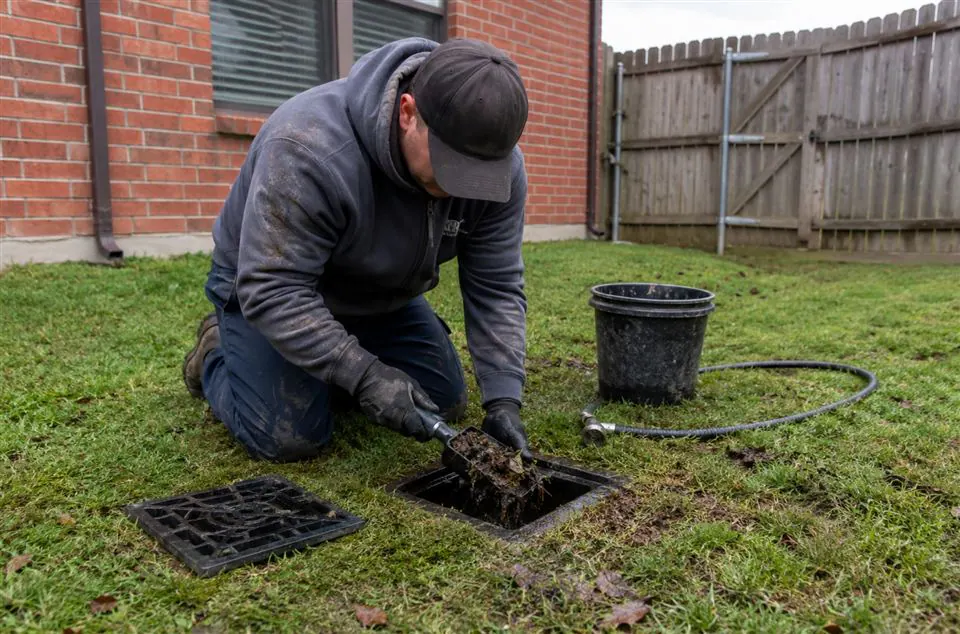
Images illustrate work types we can perform and are not presented as completed Texas Yard Drainage projects.
Yard drainage in Dallas–Fort Worth
Texas Yard Drainage addresses residential drainage problems common across the Dallas–Fort Worth area: standing water after rain, muddy side yards, downspouts releasing beside the slab, runoff crossing driveways and patios, and existing drains that no longer flow. The visible puddle is the starting point, not the diagnosis.
Roof water, surface runoff and saturated soil behave differently. Concentrated roof runoff may need solid underground downspout pipe. A defined lawn low point may need a surface inlet. Water moving through saturated soil may justify a properly designed French drain. Broad shallow runoff may be better served by grading or a swale.
Every option depends on elevation and the outlet. A pipe without continuous fall, a basin installed above the true low point or a French drain placed directly in muddy soil can leave the original problem unchanged. That is why the service pages show correct and incorrect installation concepts and why the drainage problem guides begin with what the homeowner sees during rain.
Separate city pages explain assessment coverage and verified local context without inventing offices. They support the regional homepage while linking homeowners to the detailed service and problem content relevant to the property.
Assessment first
Photos during or immediately after rain are especially useful.